If you hate clutter but feel paralyzed every time you think about tackling your overflowing closet or garage, you’re not alone. The average American home contains around 300,000 items, and most people have accumulated far more stuff than they actually use. The good news? Getting rid of junk in your house doesn’t require a complete personality transplant or a week off work—just a clear plan and a few focused hours.
Key Takeaways
- The first thing you should do when starting to get rid of junk in your house is to take inventory or identify the obvious junk. Begin with a simple 2–3 hour “first sweep” before worrying about detailed organizing. This Trash Bag Therapy approach—walking through your home with a trash bag to immediately discard obvious garbage—creates momentum.
- Your main disposal options include sell, donate, give away, recycle, trash, or hire junk removal pros. Facebook Marketplace works for furniture; thrift stores and the Salvation Army handle donations; e-waste drop-offs take electronics.
- Plan room-by-room so the process feels manageable. Creating a room-by-room plan with a timeline helps break down the decluttering process into steps that won’t overwhelm you.
- Choose eco-friendly options when possible. Donating gently used items not only helps those in need but also reduces waste by keeping usable items out of landfills.
- This guide provides specific timelines (a one-weekend plan for most apartments) and simple habits like the “one in, one out” rule to stop junk from piling up again.
Getting Rid of Junk from Your House: Where to Start
Here’s a reality most people don’t like to admit: your house didn’t get cluttered overnight, and every move adds another layer. The average American family relocates 11.7 times in a lifetime, often packing boxes without sorting, then stacking them in the basement “to deal with later.” Add online shopping (U.S. households receive over 100 packages annually), kids toys multiplying in every room, and suddenly you’re living in a storage unit.
The solution isn’t to vaguely plan to declutter someday. Pick a specific date—this Saturday, for example—and block 2–3 hours. That’s it.
Start with the easiest, most obvious junk:
- Broken items sitting in corners
- Expired products in the pantry and bathroom
- Piles of cardboard large boxes from deliveries
- Old mail (which accumulates at 4,000 pieces yearly per U.S. Postal Service data)
Begin in a high-impact area like the living room or front door entryway. Visible progress keeps motivation high and triggers dopamine that makes you want to keep going. Research shows completing small visible tasks increases completion rates for larger projects by 40%.
Don’t worry about deciding the fate of every item yet. Deeper sorting—sell, donate, recycle—comes next, and our how it works page walks through the pickup steps. For now, just remove junk that’s obviously garbage.
Plan Your Home Cleanout Like a Project
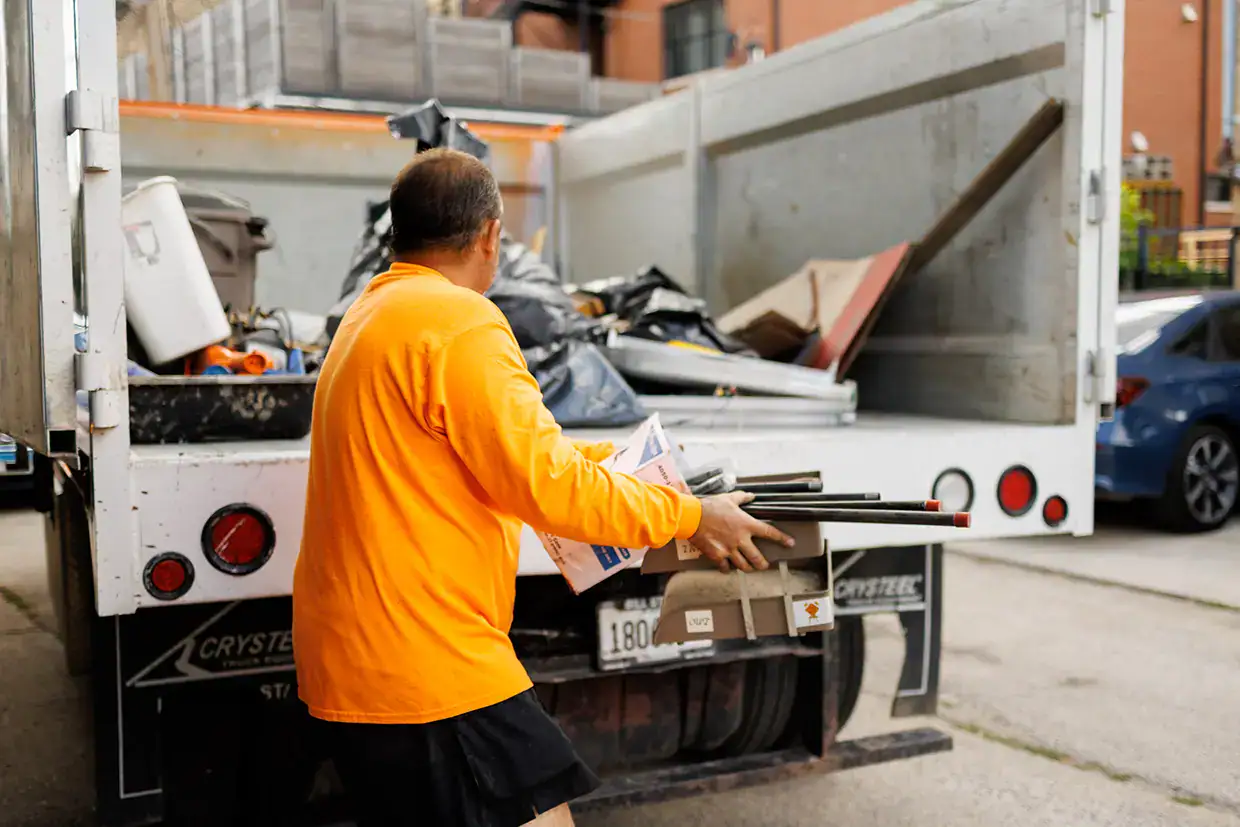
Framing junk removal as a finite project with a start date, end date, and mini-milestones transforms it from an endless chore into something manageable. Think of it like any work project: 70% of success comes from planning.
Take inventory first. Walk through your home with a notebook or phone and list every cluttered zone: kitchen counters, hallway closet, kids’ room, garage, laundry room, attic, basement. Taking inventory is a good idea because it motivates action and helps you organize your efforts, making it easier to identify what to keep or remove.
Rank by urgency and annoyance. Which spaces drive you crazy daily? A closet you can’t open without things falling out? A dining table buried under papers? Kitchens and garages top the list in 80% of cluttered homes.
Create a simple schedule:
| Day | Task |
|---|---|
| Friday night | Gather supplies, bag obvious trash |
| Saturday | Sort bedroom and hallway closet |
| Sunday morning | Take donations and recycling |
| Sunday afternoon | List items to sell online |
Gather supplies beforehand:
- Heavy-duty trash bags (55-gallon, rated for 75 lbs)
- Cardboard boxes or bins
- Labels and marker pens
- Work gloves
- Basic cleaning supplies
Set up the Four-Box Method. The Four-Box Method involves labeling four boxes as Keep, Donate/Sell, Trash, and Storage to force quick decisions during decluttering. This approach, validated by organizing professionals, reduces decision time by 60%. Starting small with a “no-clutter zone” can help build momentum—pick one room or even one corner to master first.
Organizing effectively can be achieved by tackling one room at a time using this system.
Start with Obvious Trash and Problem Items
This first real step is fast and almost mindless. You’re not making life decisions here—you’re simply removing clear garbage and hazards. Think of it as Trash Bag Therapy: grab a bag, walk through your house, and toss anything that’s obviously waste.
Grab immediately:
- Food packaging and takeout containers
- Empty bottles and jars
- Old magazines (average home holds 50 unread issues)
- Broken toys (80% go unused after 6 months)
- Dead plants
- Ripped or stained clothes
- Expired toiletries and pantry items
Pull out hazards:
- Cracked glassware
- Damaged chargers with frayed wires
- Rusted tools
- Broken furniture pieces with sharp edges
When checking dates, throw away clearly expired food and medicine. For controlled substances, use pharmacy drop-off programs to prevent environmental contamination. Old cleaning products that no longer work? Garbage.
Time-box this step: 30–60 minutes for an apartment, 1–2 hours for a whole house. Don’t stop to organize or reminisce. The goal is throwing things away that require zero thought—obvious garbage only. You’re not deciding about grandmother’s china yet; you’re removing empty Amazon boxes and that mystery cord drawer.
The average post-move household has 20-50 cardboard boxes lingering. Getting rid of those alone can free 10-20% of your space immediately.
Sort What’s Left: Keep, Donate, Sell, or Toss
Once obvious trash is gone, you decide the fate of everything else using simple rules. Effective decluttering requires a combination of immediate “quick wins” and structured systems to maintain progress.
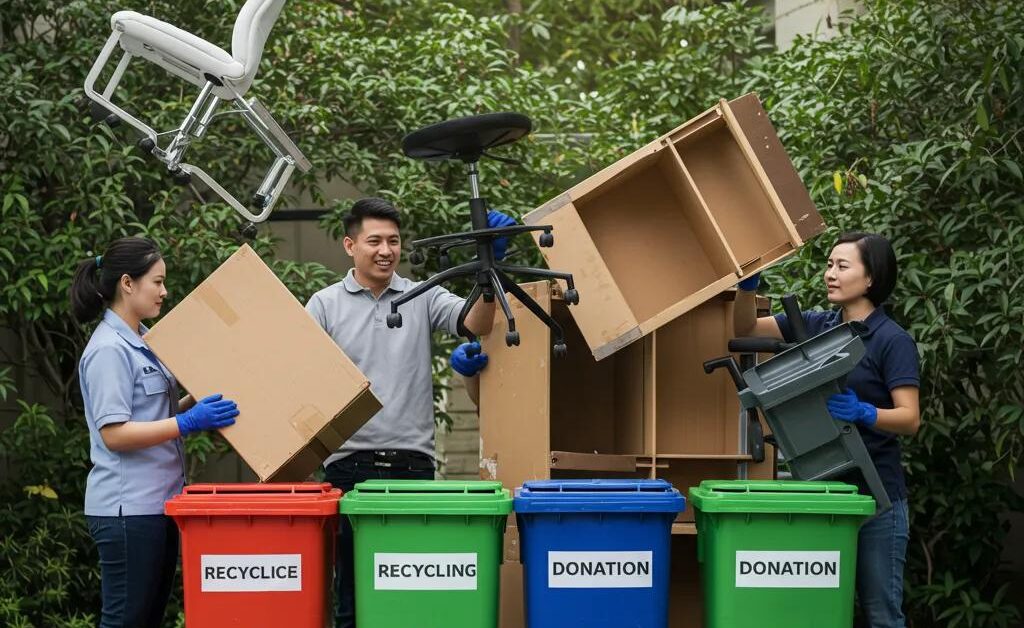
Set up four clearly labeled zones in each room:
- Keep Here (functional, used regularly)
- Donate (good condition, usable by others)
- Sell or Give Away (marketable value)
- Trash/Recycle (broken, expired, worthless)
When organizing your space, use clearly labeled boxes or bags for items you plan to keep, donate, or throw away to streamline the decluttering process.
Quick decision rules:
| Rule | How It Works |
|---|---|
| 12-Month Rule | Not used in a year? Let it go. |
| The 20/20 Rule | The 20/20 Rule suggests not keeping an item if it can be replaced for less than $20 in under 20 minutes from home. |
| 90/90 Rule | The 90/90 Rule states that if an item has not been used in the past 90 days and will not be used in the next 90 days, it should be let go. |
Don’t keep items just because they were expensive. That’s the sunk cost fallacy—past expense doesn’t justify retention when something has zero utility. Research shows people overvalue owned items by up to 50% more than their market worth.
The KonMari Method involves sorting items by category rather than room, keeping only those that “spark joy.” You can use this approach or stick with room-by-room—whatever keeps you moving.
For borderline sentimental items: The “Maybe” Box is used for items of uncertainty, which can be hidden for 3–6 months before determining if they should be donated. Limit sentimental keeps to one memory box per person. Studies show 90% of items in a 30-day mystery box go completely unmissed.
How to Get Rid of Junk by Selling It
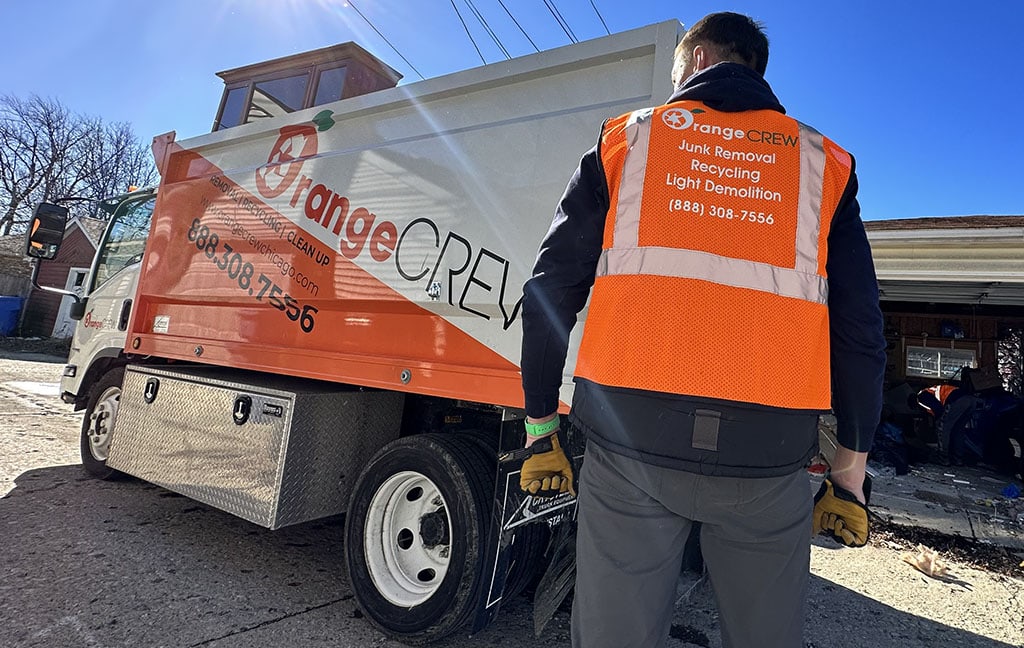
Many common junk items—furniture, electronics, brand-name clothes—can quickly turn into extra cash and free up your living space at the same time.
What sells well:
- Small furniture (coffee table, side tables, bookshelves)
- Gently used baby gear (strollers average $100 resale)
- Working laptops and game consoles (40-60% value if functional)
- Bikes ($50-200)
- Unopened beauty products
- Costume jewelry in good condition
Platform comparison:
| Platform | Best For | Notes |
|---|---|---|
| Facebook Marketplace | Local pickups, furniture | 80 million U.S. users, free listings |
| OfferUp | Local sales, electronics | 95% pickup success rate |
| eBay | Collectibles, smaller items | 10-15% fees, global reach |
| Poshmark/Depop | Clothes, fashion items | 20% commission |
| ThredUp/Mercari | Clothing, accessories | Ship directly |
Facebook Marketplace is a popular platform for selling unwanted items, but there are also other websites and apps like ThredUp, Poshmark, Mercari, OfferUp, and eBay that can be used to sell various items.
Taking high-quality photos and writing clear, detailed descriptions of items can significantly increase the chances of successfully selling unwanted items online. Shoot 3–5 clear photos in daylight, from multiple angles. Write honest titles like “IKEA white Malm dresser, 4-drawer, good condition, pickup only.” IKEA pieces typically fetch 50-70% of original price.
Set a firm deadline: If something hasn’t sold within 7 days, it gets donated or recycled. Using platforms like Facebook Marketplace or eBay can be effective for selling valuable items, but donating often clears space faster.
Meet buyers in public places or well-lit areas. Have someone else home during pickups for safety.
Hosting a One-Weekend Garage or Yard Sale
A garage sale or yard sale can clear a lot of low-value junk in a single Saturday or Sunday. This method works especially well for families with a lot of kids toys and smaller items that aren’t worth listing online individually.
How to run it efficiently:
- Group items by type (books, toys, kitchenware, tools, decor)
- Price simply with $1, $3, $5 tables instead of pricing every item
- Advertise 2–3 days ahead using neighborhood Facebook groups, Nextdoor, and street signs with bold arrows
- Announce “everything half price after 1 p.m.”
- Commit to donate anything left the next day—no bringing it back inside
Average earnings: $200-500 for families, according to organizing professional data. That said, selling unwanted items directly to friends or family can be more effective than hosting a yard sale, as people who know you are more likely to take items off your hands.
Donate Unwanted Items to Clear Space Fast
Donating usable items both clears your house and helps your community. U.S. thrift stores divert 2.5 billion pounds from landfills yearly.
Typical donation-ready items:
- Clothing in good condition
- Pairs of shoes
- Blankets
- Small furniture
- Kitchen cookware
- Books
- Working small appliances
Common donation options:
- Local thrift stores
- Shelters
- Religious organizations
- School fundraisers
- National charities with drop-off locations
National charities like Habitat for Humanity, Goodwill, and the Salvation Army will gladly take your old furniture, appliances, electronics, and even exercise equipment.
When donating items, it’s important to check with local charities to see what specific items they accept, as some may have restrictions on the types of goods they will take. Some won’t accept mattresses, large items like TVs, or broken electronics.
Schedule a specific donation run within 24–48 hours of sorting. A designated box or hamper for donations can help manage items that are set aside for donation. Immediate removal of donation items by placing them in the car’s trunk ensures they leave the house and don’t migrate back into closets.
Keep a running donation box by the front door or in a closet year-round. When it’s full, drop it off monthly.
Special Donations: Books, Baby Gear, and Office Supplies
Some categories of junk are especially appreciated and may need special handling.
Books: Schools, libraries, and community centers often take gently used children’s books and recent novels. Very old textbooks (over 5 years) typically have zero utility and won’t be accepted.
Baby items: Give baby gear, strollers, and toys to women’s shelters, foster care organizations, or neighborhood Buy Nothing groups where they’re quickly reused. Strollers get reused 5x faster through these channels than sitting in your garage.
Office supplies: Extra office supplies, backpacks, and art supplies can often be donated to local schools or after-school programs rather than thrown away.
Always call or email ahead to confirm what’s needed. This ensures your donation is actually helpful and not just shifting junk elsewhere.
Give Away, Hand Down, or Freecycle Your Stuff
Some things are easier to give away than to sell—especially when you’d rather see them used by someone you know. Other items like seasonal items or furniture simply aren’t worth the listing hassle.
First offer items to people you know:
- Send a quick group text with a few photos
- Post in family chats
- Share on neighborhood social media
Baby items, kids’ clothes, sports gear, and extra dishes are common hand-me-downs that loved ones are happy to accept.
Use free groups and apps:
- Freecycle (5 million members)
- Buy Nothing groups (90% pickup rates)
- Nextdoor
These work well for furniture, decor, and leftover moving boxes.
Set firm time limits on pickup (e.g., “porch pickup by Sunday at 6 p.m.”) to avoid no-shows. The typical no-show rate is around 20%, so expect some flakes.
Safety check: Don’t give away dangerous or recalled items like some baby sleepers or car seats. Check the CPSC recall database—it flags about 10% of baby items.
Using a “Free” Pile for Fast Decluttering
A “Free” pile at the curb works amazingly well in the right neighborhood.
How to do it:
- Set up a clearly marked “Free” table or pile at the curb on a weekend afternoon
- Place only safe, usable items: small furniture, flower pots, books, toys, kitchen gadgets
- Add a sign: “FREE – Please take”
- Plan to remove or donate whatever remains by a set time that same day
Check local rules or homeowners’ association guidelines first. This method is especially effective during moving season or near college campuses where people actively hunt for free items.
Recycle Old Junk Instead of Trashing It
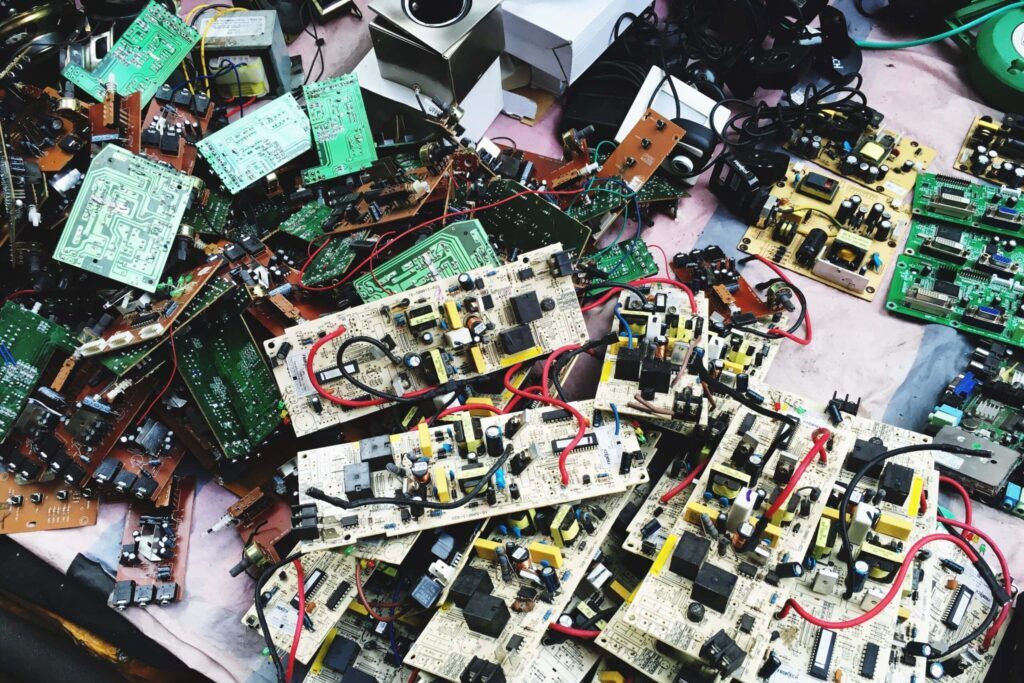
Many junk items—electronics, metal, certain plastics—should be recycled, not thrown in regular trash. Recycling electronics should be done at e-waste drop-offs while hazardous materials should be disposed of according to local waste authority guidelines.
Items to sort for recycling:
- Old laptops, phones, and cords
- Batteries
- Small appliances
- Metal shelving
- Scrap wood
- Glass jars
- Cardboard
Many junk items can actually be recycled, including those made from metal, wood, fibers, foam, and glass, such as old mattresses, broken furniture, outdated appliances, and electronics.
Recycling helps reduce a greener planet, although it often requires more effort than simply throwing items in the trash. The U.S. generates 6 million tons of e-waste yearly, and 85% ends up in landfills without proper programs.
Check your city’s resources:
- Bulky item recycling events (200+ U.S. events yearly)
- Electronics drop-off days
- Paint or chemical disposal programs
- Retailer take-back programs (Best Buy, Staples offer 5-10% discounts)
Sort recyclables into categories—paper/cardboard, plastic/metal/glass, electronics—before hauling them to the recycling center to save time.
Never put hazardous waste (old paint, oil, pesticides) into regular trash. Use approved disposal or collection days instead.
What to Do with Appliances, Mattresses, and Other Bulky Items
Large items like fridges, washers, mattresses, and old sofas require special steps. Most municipal recycling services do not offer pickup for bulky items like mattresses or appliances, so individuals often need to drop them off at designated facilities themselves.
Options for bulky items:
| Item Type | Disposal Option |
|---|---|
| Metal appliances | Scrap metal yards (may pay $20-100) |
| Mattresses | Search “mattress recycling + [your city]” |
| Sofas, large furniture | Schedule bulky pickup with waste management |
| TVs, monitors | Electronics recycling events |
Call your local waste management service to ask about scheduled bulky pickup days and what they’ll accept curbside. For heavy fridges, washers, and dryers, scheduling an appliance removal with a pro is usually faster than hauling them yourself. Some items need to be wrapped, tied, or broken down before collection.
Mattress recycling facilities exist in 75% of states, processing up to 80% of materials. The rest of the mattress doesn’t need to go to landfill.
When to Hire Junk Removal Pros
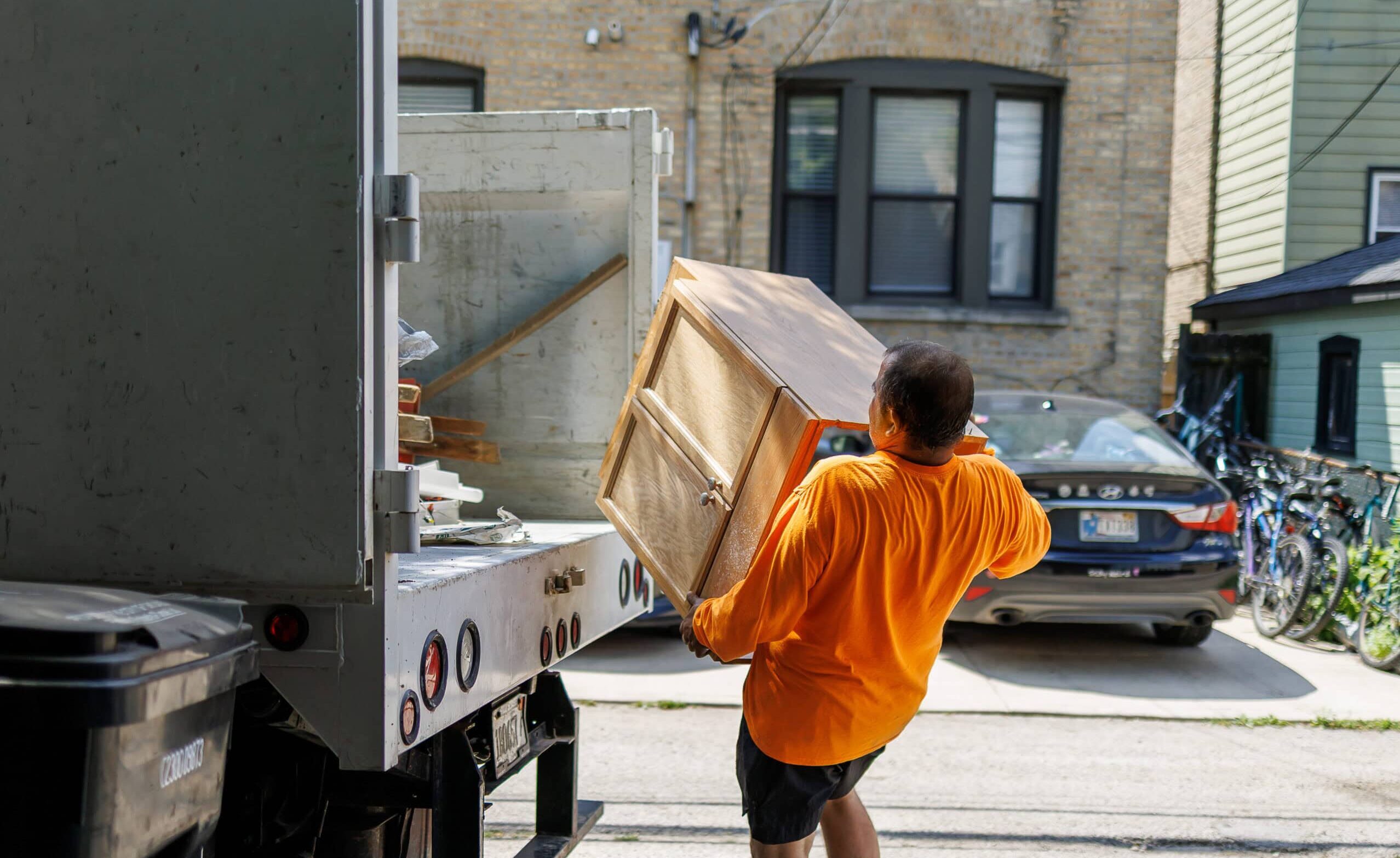
Professional junk removal is ideal for heavy, bulky loads or when time and physical ability are limited. If the heavy lifting seems overwhelming, this is money well spent.
Typical scenarios for hiring pros:
- Clearing a full garage
- Emptying a house after a move or estate situation
- Dealing with years of accumulated clutter in a few months
- Preparing for estate sales
Junk removal companies specialize in hauling away large, bulky items or multiple boxes and bags of junk that are difficult for homeowners to dispose of themselves. They typically handle furniture, mattresses, appliances, yard waste, and sometimes light demolition.
Many junk removal services offer eco-friendly disposal options, such as recycling or donating items, to minimize landfill waste. Top companies donate or recycle 60% of loads.
Before booking:
- Ask about pricing structure (by volume, by item, or flat fee)
- Get at least two price estimates
- Check reviews
- Confirm the crew is insured
- Ask whether they donate or recycle usable items
Average job cost: $300-600 for a typical load. Hiring a junk removal service can save homeowners time, energy, and stress, especially when dealing with heavy or bulky items that are hard to move.
Schedule removal shortly after sorting so piles don’t sit around and motivation doesn’t fade.
Dumpster Rentals for DIY House Cleanouts
Renting a small roll-off dumpster can be cost-effective for big DIY cleanouts, renovations, or clearing multiple rooms. It is especially useful when a whole house clean out has too much volume for curbside pickup.
Size guide:
| Dumpster Size | Best For | Typical Cost |
|---|---|---|
| Mini | Single room cleanout | $200-400 |
| 20-yard | Whole house or garage | $300-800 |
| 30-yard | Major renovation | $400-1000 |
Ask the provider what can’t go in the dumpster—typically liquids, paint, tires, electronics, and hazardous waste are prohibited.
Place the dumpster on a driveway or approved spot and fill it methodically over a set weekend. This approach is especially useful before or after a move, or when preparing a house for sale on a tight schedule.
Organize What You Keep and Prevent Future Junk
Once the junk is gone, organizing the remaining items and developing habits to stay organized are what keep your house from slipping back into clutter. Without systems, studies show 50% of homes re-clutter within months.
Core principles:
Assign every kept item a specific “home”—a drawer, shelf, bin, or hook. Items without a designated place wander around the house and become new piles. Staying organized means consistently returning items to their designated spots and making organization a routine part of daily life. For deeper systems and zone planning, our guide on how to organize your home is a great companion read.
Storage solutions that work:
- Clear bins with labels (80% retrieval rate vs. opaque)
- Under-bed boxes
- Over-door hooks
- Shelf dividers
The “One In, One Out” rule dictates that for every new item brought into the home, one old item must be removed. This prevents collections from growing again.
Daily habits (5–10 minutes):
- Reset the living room each night
- Clear kitchen counters
- Return items to their spots before bed
The 10-10-10 Rule suggests spending 10 minutes finding 10 items to throw away, 10 to donate, and 10 to put back in their proper place. Use this monthly for maintenance.
Regular purging is recommended to maintain a clutter-free space, ideally scheduled quarterly. Put it on your calendar—first Saturday of January, April, July, October.
Room-by-Room Tips to Keep Junk Away
Here are quick, practical ideas for the main rooms where junk usually builds up.
Kitchen:
- Limit “junk drawer” contents to 10 essential items
- Regularly clear expired food (20% of pantry items typically past prime)
- Keep only frequently used gadgets on countertops
- Store extra coffee table books elsewhere
Bedrooms:
- Do seasonal clothing rotations
- Donate unworn items twice yearly
- Keep nightstands clear except essentials
- The Reverse Hanger Trick helps identify unused clothing by turning hangers backward; items still reversed after six months should be donated
Living room:
- Use baskets for blankets and remotes
- Set a rule that flat surfaces are cleared at end of each day
- Return items to their different room of origin
Garage/Basement:
- Zone areas: tools, sports gear, holiday decor, seasonal items
- Review each zone at least once per year
- Swedish Death Cleaning principles (start with large items, work down) help maintain these spaces
For a deep dive into the messiest space of all, see our garage clean out walkthrough.
FAQ: Getting Rid of Junk in Your House
How long does it usually take to clear out a junk-filled house?
A small apartment with moderate clutter can often be decluttered over one focused weekend—plan for 3–4 hour sessions per day. A larger, heavily cluttered whole house may take several weekends, typically one room per day or one floor per weekend. How much time you invest depends on decision speed and disposal logistics. Hiring junk removal pros or renting a dumpster can significantly shorten the total time needed—some services clear an entire house in a single day. Check our pricing page for typical project ranges.
What should I do if I feel emotionally attached to almost everything?
Start with non-sentimental areas like the pantry, bathroom, and cleaning supplies to build confidence before tackling memorabilia. Take a few photos of sentimental items before letting them go, or choose just a few representative pieces for a dedicated memory box. Set a small daily goal—decluttering for 15 minutes—so the process feels less overwhelming. Remember: the sunk cost fallacy makes almost everything feel more valuable than it actually is to your life and future.
Is it better to sell items or just donate them?
Donating is usually faster and simpler—you can clear space in a day rather than waiting weeks for buyers. Focus selling efforts on higher-value items (generally worth more than $50) like quality furniture, electronics, and brand-name clothing in good condition. Set a firm deadline: if an item hasn’t sold within a week or two, move it automatically to the donate pile. The goal is to remove junk from your house, not to maximize profit on every item.
How can I deal with junk in a small apartment with no storage?
Be especially strict about what stays. Keep only what’s used regularly or truly loved—avoid “just in case” items entirely. Use vertical space (shelves, wall hooks), under-bed storage, and furniture with built-in storage like ottomans or bed frames with drawers. Keep an ongoing donation bag in a closet and take it out as soon as it’s full so more stuff never has a chance to pile up. The 20/20 Rule is your friend in small spaces.
What if my partner or family doesn’t want to get rid of anything?
Start with your own belongings and shared spaces you have clear responsibility for. Model the benefits of decluttering—when they see how much easier life gets in a clean space, attitudes often shift. Agree on neutral zones (like the living room or kitchen counters) where both parties commit to keeping junk-free. Focus conversations on shared goals—more space, easier cleaning, less stress—rather than criticizing the other person’s habits. Clutter makes everyone stressed, and leading by example works better than arguments.
Orange Crew sorts, recycles, and donates received junk to create a cleaner environment for you and the planet. Regardless of job size, the company is fully licensed and insured to remove and dispose of residential and commercial junk safely. Serving Chicagoland, call (888) 308-7556 to discuss your needs and schedule a pickup.